
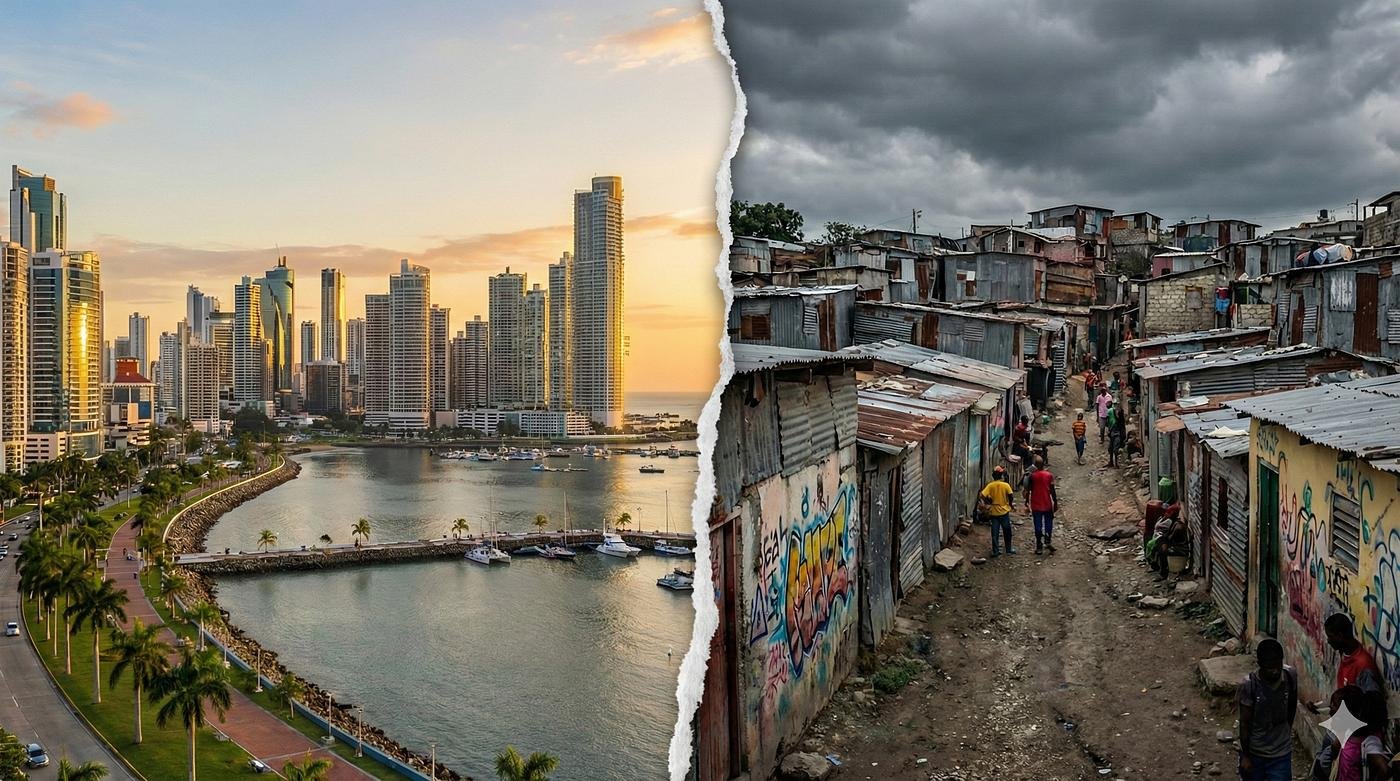
At first glance, the global economy looks like a level playing field—anyone can work hard, earn, and rise. But beneath that surface lies a pattern so consistent, it almost feels scripted. Since 2020, nearly $42 trillion in new global wealth has been created—and shockingly, around 63% of that went to just the top 1%, according to Oxfam International. Meanwhile, the bottom 50% captured barely 2% of that growth. That’s not just inequality—that’s concentration at an extreme scale. The World Bank reports that over 700 million people still live in extreme poverty, surviving on less than $2.15 a day, even as global GDP continues to rise. So the question isn’t whether wealth is being created—it clearly is. The real question is: who is it actually reaching?
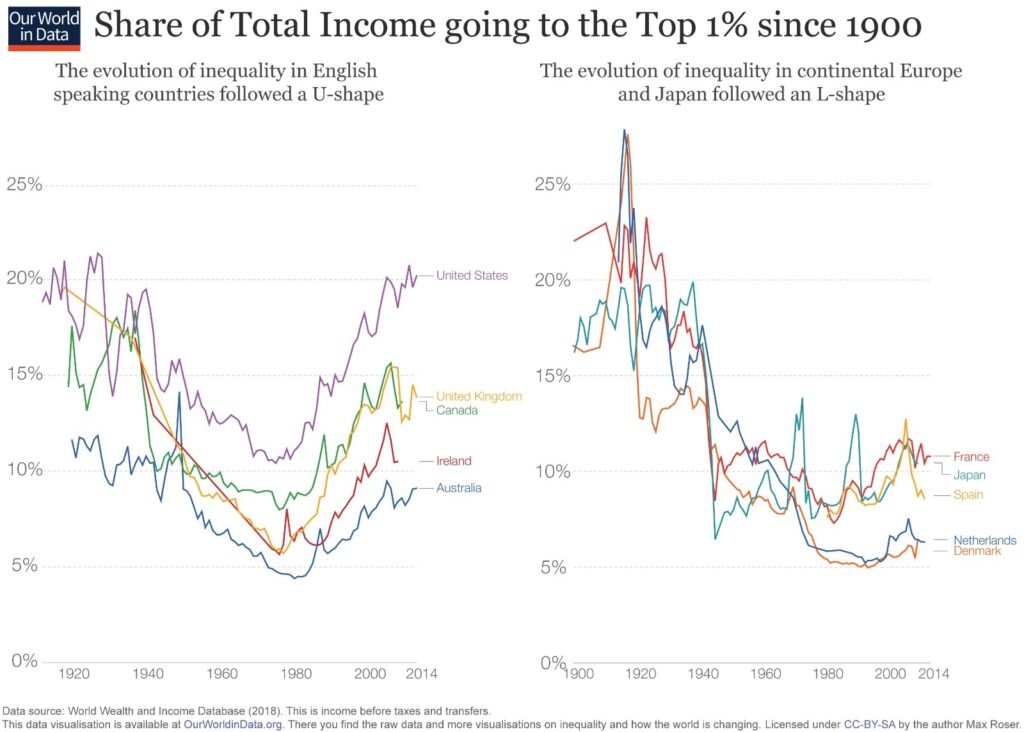
The answer begins with a powerful imbalance. According to the International Monetary Fund, in most economies, returns on capital (like stocks and real estate) consistently outpace wage growth. Historically, investments have delivered average annual returns of 8–12%, while wages in many countries grow at just 2–4%. This gap may seem small on paper, but over time it becomes explosive. A person with $100,000 invested at 10% will see it grow to over $670,000 in 20 years, without adding a single extra dollar. Meanwhile, someone relying purely on salary sees only incremental increases—often erased by inflation. And inflation itself quietly widens the divide: asset prices rise, benefiting owners, while everyday costs rise, burdening workers.
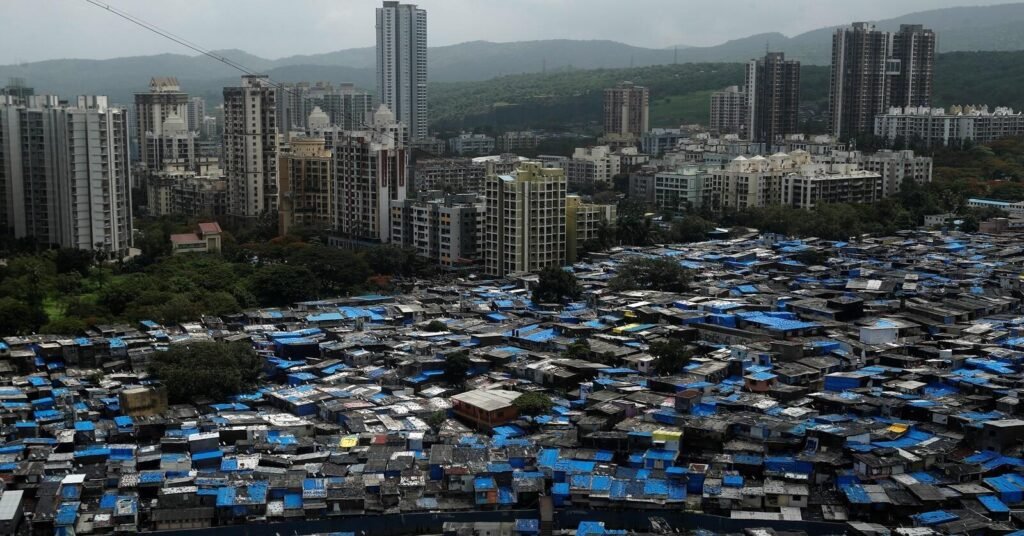
Then comes access—an invisible advantage that rarely gets discussed openly. Wealthy individuals don’t just have money; they have better entry points into opportunity. They access elite education, global networks, private investment deals, and low-interest credit. In contrast, lower-income individuals often face high-interest loans, limited financial literacy, and fewer career pathways. According to global education data referenced by the World Bank, access to quality education remains deeply unequal, directly impacting lifetime earnings potential. In simple terms: the rich don’t just start ahead—they start with better tools, better maps, and fewer obstacles.
Technology has accelerated this divide even further. The World Economic Forum highlights that automation and AI are replacing routine jobs while rewarding high-skill roles and capital ownership. This means that those who already have capital or advanced skills see exponential gains, while others face stagnation or job displacement. It’s not just a gap anymore—it’s a widening acceleration curve.
And then, perhaps the most powerful force of all: inheritance. Wealth is no longer just earned—it’s transferred. Studies consistently show that a significant portion of billionaire wealth today is either inherited or built on inherited advantage. This includes not just money, but connections, knowledge, and risk-taking capacity. A wealthy individual can afford to fail and try again; a poor individual often cannot afford even one failure. Over generations, this creates a compounding loop where advantage reinforces itself, and disadvantage becomes harder to escape.
Even policy structures play a role. In many economies, capital gains are taxed lower than wages, and large corporations or wealthy individuals have access to sophisticated tax planning strategies. This doesn’t break the system—it is the system. It ensures that those who already own assets can grow them more efficiently than those trying to build from scratch.
Put all these forces together—compounding returns, unequal access, technological acceleration, inheritance, and policy design—and a clear pattern emerges. Wealth doesn’t just grow; it clusters. It moves upward, concentrates, and reinforces itself. The rich aren’t just getting richer by chance—they’re operating within a structure that amplifies every advantage they have. And the poor aren’t just falling behind—they’re navigating a system where catching up requires overcoming multiple invisible barriers at once.
This is why, despite decades of economic growth, the gap keeps widening. The system isn’t chaotic—it’s consistent. It rewards ownership over effort, access over potential, and capital over labor. And until those fundamentals change, the pattern will continue—quietly, predictably, and powerfully.
helo